
The complete guide
How to Choose and Fit an Under-Cabinet Wine Glass Rack
The problem with storing wine glasses
Wine glasses are badly shaped for cupboards. A standard red wine glass is around 20cm tall with a bowl far wider than its base, so it needs a tall shelf and a lot of floor area. Stand four of them in a cupboard and you have used a whole shelf for four glasses. Stack anything near them and you risk a chip.
Most people end up with glasses pushed to the back of a high cupboard, half forgotten. They only come out when someone visits, which means they are dusty when they do. Then you rinse them, dry them, and put them back in the same awkward spot.
An under-cabinet rack changes the maths. The space directly beneath a wall cabinet is almost always empty. It sits above the worktop, out of the working zone, and nothing is competing for it. Hanging your stemware there gets the glasses out of the cupboard, keeps them clean, and leaves you a whole shelf for things that actually stack.
How a hanging stemware rack works
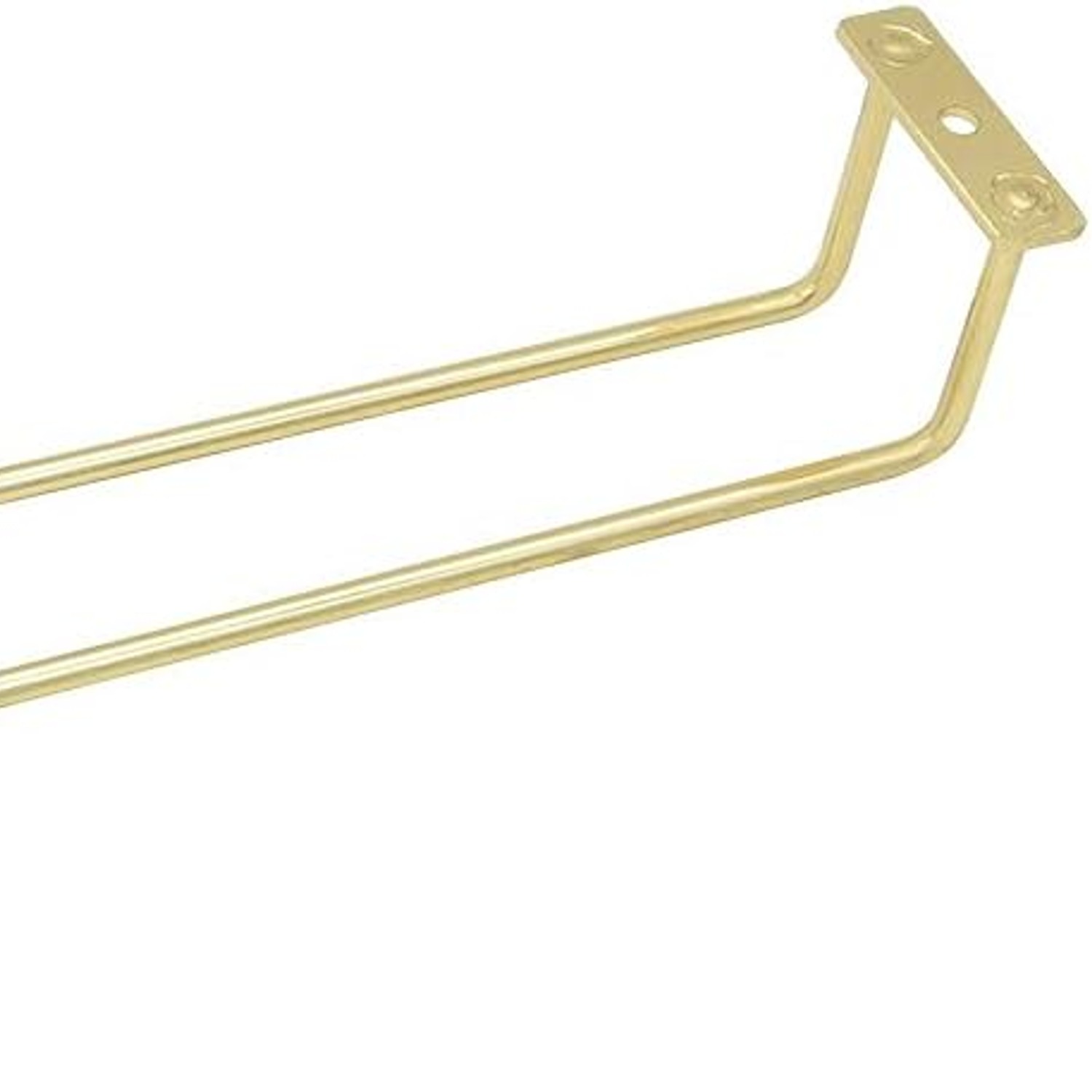
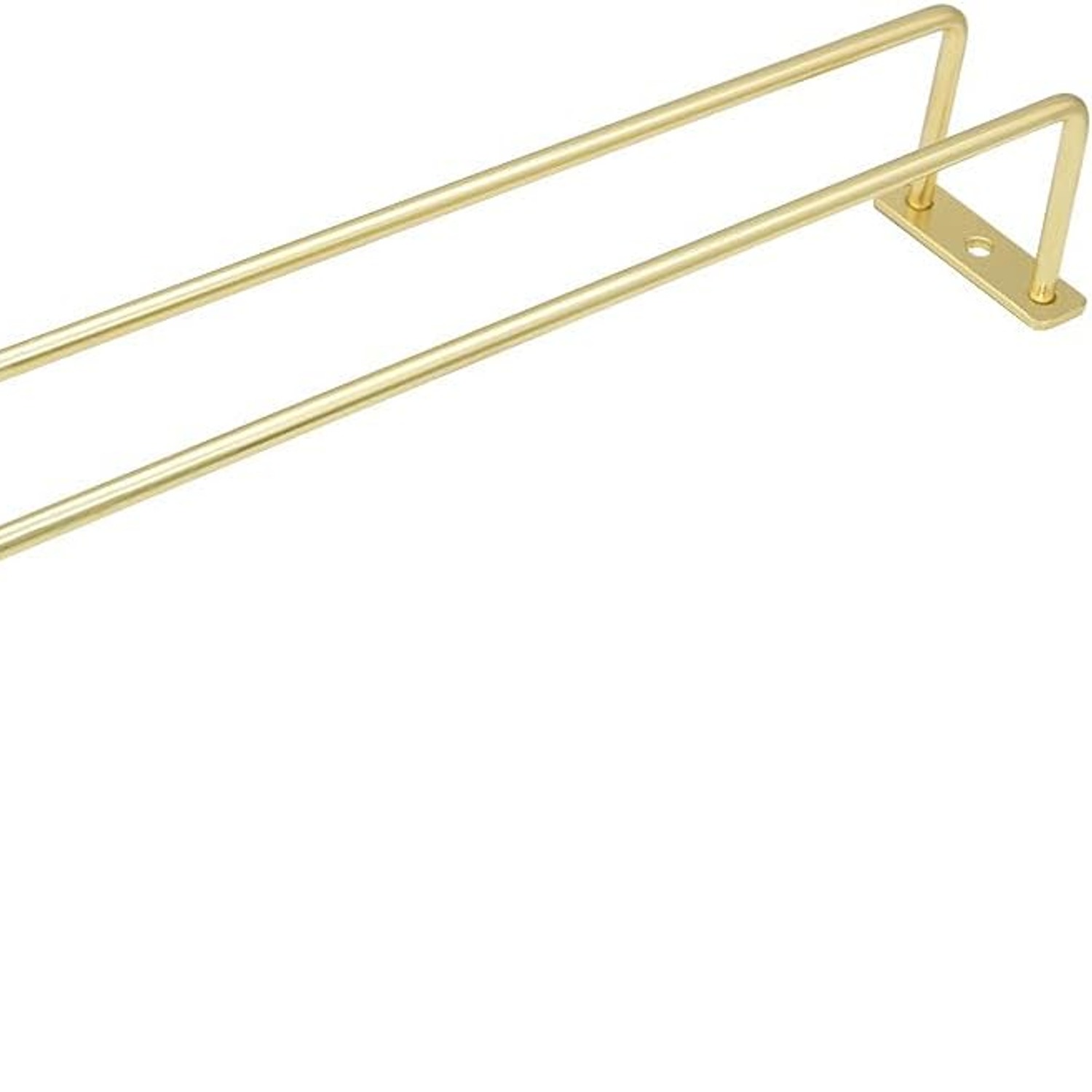
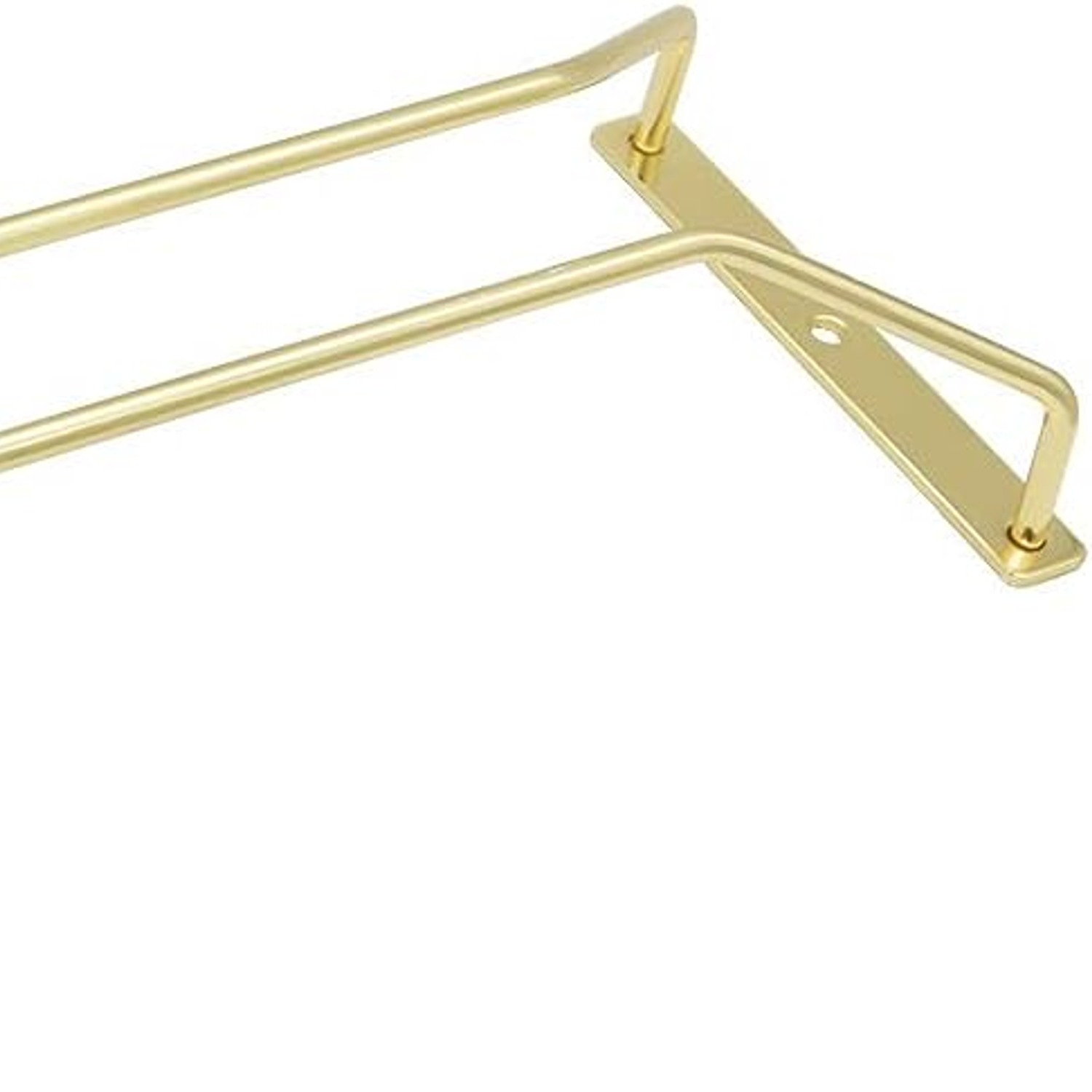
The design is simple and has been standard behind bars for decades. The rail has a slot running along its length. The stem of the glass slides into the slot, the base of the glass sits above it, and gravity does the rest. The glass hangs bowl-down.
That orientation matters for more than looks. Dust settles on horizontal surfaces, so an upright glass collects it in the bowl. Turn it over and the opening faces down, the dust lands on the base, and you wipe that instead of the drinking surface. Glasses also drain and air out properly, which stops that musty cupboard smell you sometimes get from stored glassware.
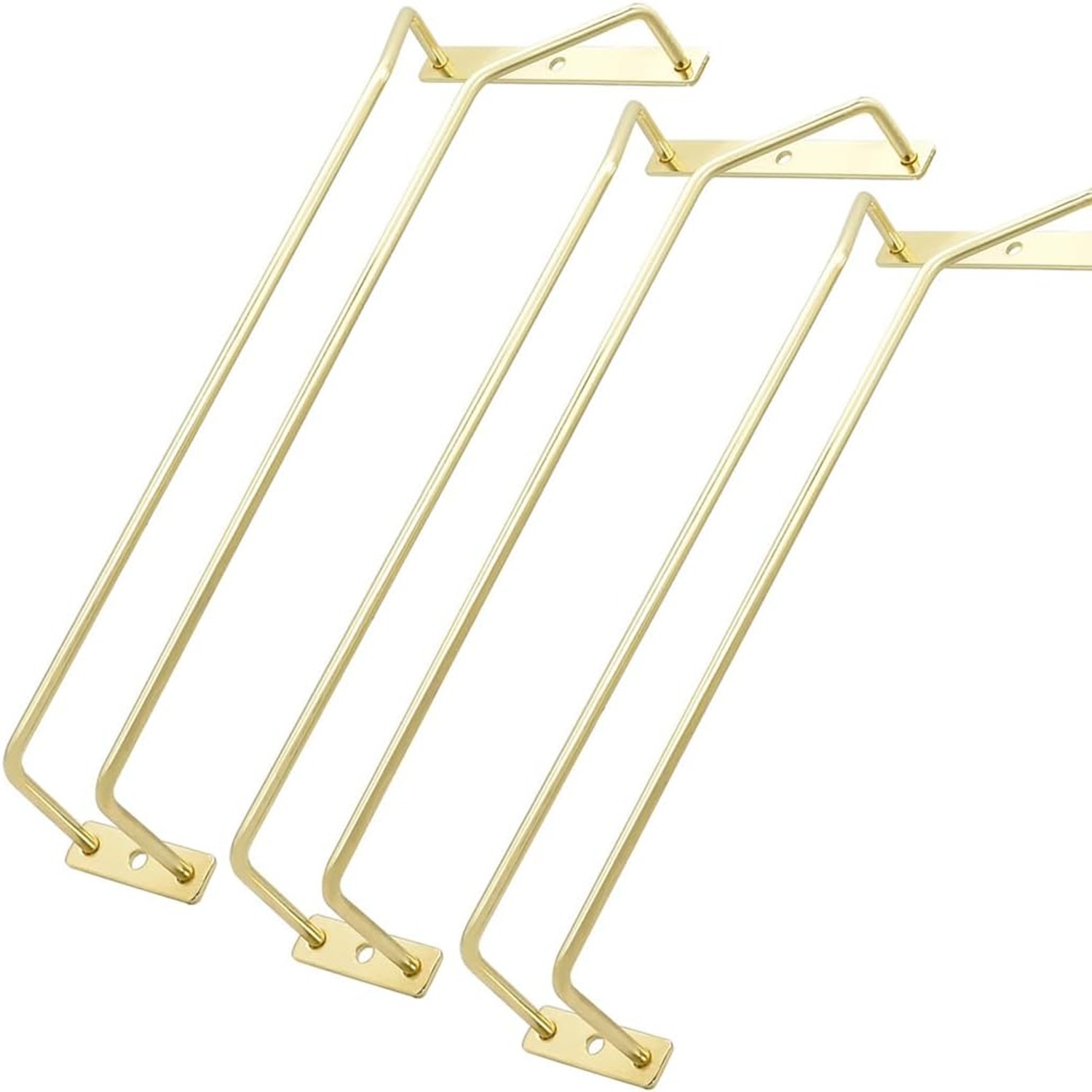
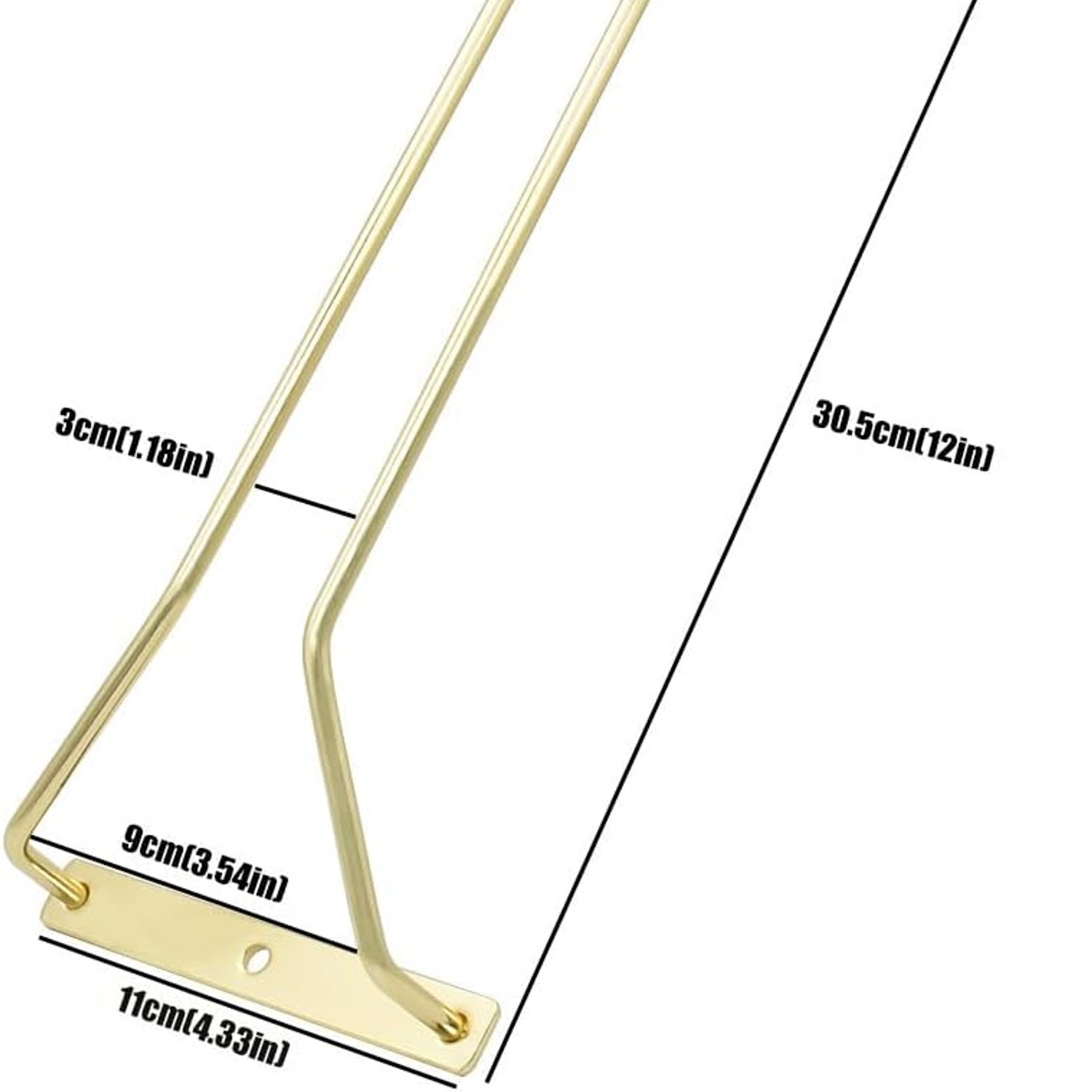
This particular set uses three separate single-row rails rather than one wide frame. That is more useful than it sounds. You can line them up for a solid block of storage, spread them across a long cabinet run, or split them between two cupboards. Each rail is 30.5cm deep, 10.8cm wide and 5.1cm high, holding roughly three to four stems.
Who this suits
If you own more than four wine glasses and you do not have a dedicated glass cabinet, a hanging rack is worth fitting. It suits renters with small kitchens, since three rails and six screws leave minimal marks compared to a full shelving unit. It suits anyone building a home bar corner, because visible stemware is half the look.
It also suits people who entertain often enough to be annoyed by the current arrangement. If you have ever had to wash six glasses because they had been sitting in a cupboard since the last dinner party, you already know the problem.
It is less suited to households with small children who might grab at a hanging glass, and less suited to kitchens with no overhang at all. If every cabinet in the room is a floor unit with a worktop on top, there is nothing to screw into.
Choosing the right spot
Start by finding your overhangs. The underside of a wall cabinet is the usual choice. A fixed open shelf works too, as does the underside of a bulkhead or a bar counter lip, as long as there is solid timber for the screws.
Check the depth. The rail runs 30.5cm front to back, so your cabinet needs to be at least that deep or the rail will stick out past the front edge. Most standard wall cabinets are around 30 to 35cm deep, so it usually works, but measure rather than assume.
Then check the height above your worktop. Hold your tallest glass up and see how much clearance is left. You want to be able to work underneath without your head or the kettle meeting a glass bowl. If the gap is tight, consider mounting the rack over a quieter section of worktop rather than the main prep area.
Finally, think about what is directly below. Hanging glasses above a sink is handy for draining but means splashes. Above a cooktop is the worst option, since grease rises and settles on everything. A section of worktop near where you pour drinks is usually the sweet spot.
Fitting it
Mark your positions before you touch a screwdriver. Hold one rail up against the cabinet underside and pencil the screw points. Then do the same for the second rail, but before you mark it, hang a glass on the first rail and check the bowls will not touch. A finger's width of clearance between bowls is about right, and wide red wine glasses need more than flutes.
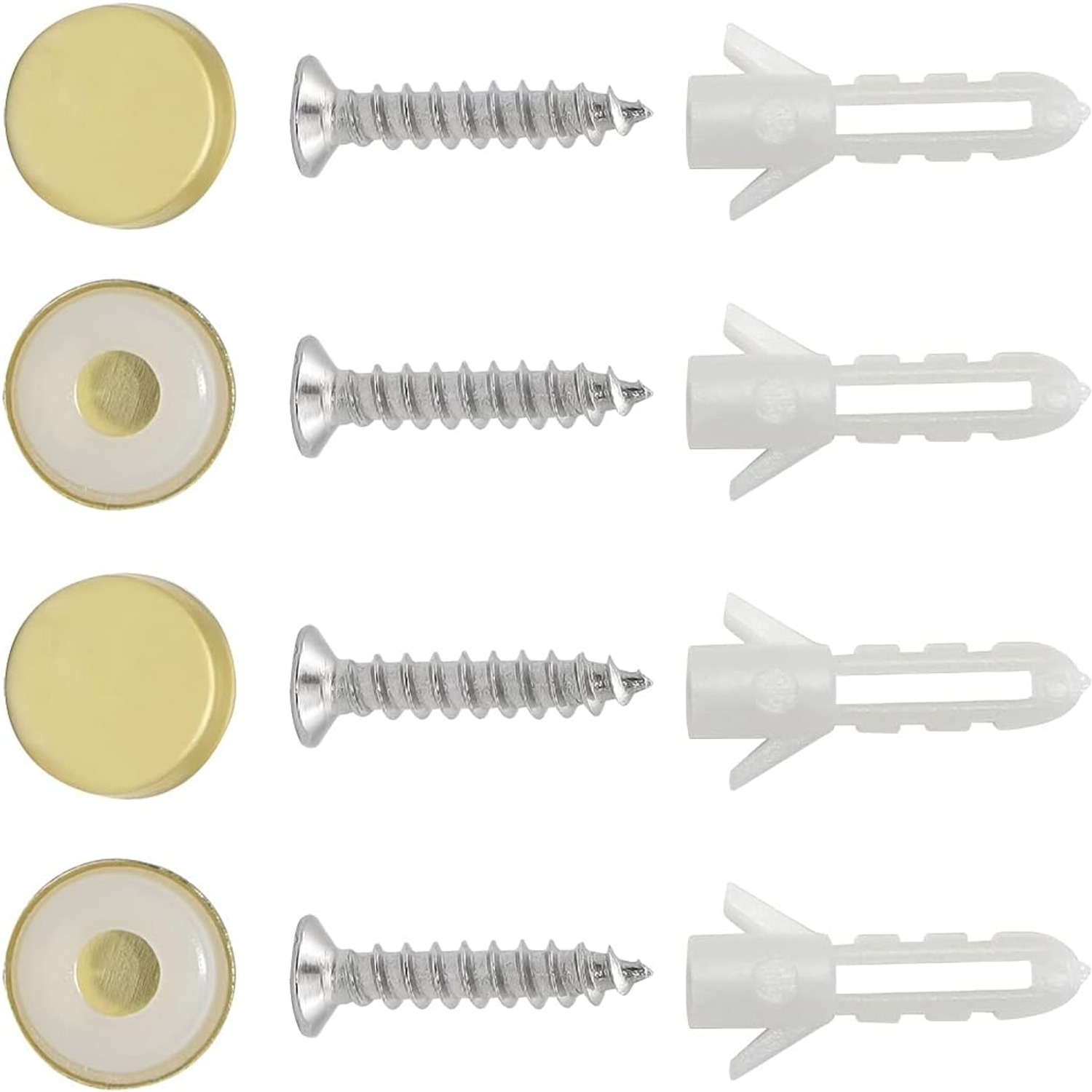
Six screws are included, two per rail. Drive them in with a screwdriver. A small pilot hole first makes the job easier and reduces the risk of splitting the timber, particularly on thinner cabinet bases. Keep the rail flush and straight as you tighten the second screw, since a rail mounted on a slight angle will look wrong every time you walk past.
Once the rails are up, load a single glass and give it a gentle tug. If anything moves, back the screws out and try a slightly different spot with more solid timber behind it.
Living with it
The brushed gold finish is practical as well as decorative. Brushed metal scatters light, so fingerprints and smudges do not stand out the way they do on polished chrome. It is a warm tone, which means it sits comfortably against white, cream, pale timber and darker cabinetry alike. If you already have gold or brass tapware and handles, it ties in neatly.
Cleaning takes seconds. Wipe the rails with a soft damp cloth every couple of weeks and dry them straight after, since standing water is never good for a finish. Do not reach for scouring pads or cream cleansers. Abrasives will dull the brushed texture and you cannot undo that.
Dry your glasses before hanging them. Wet glasses drip onto the worktop and leave water spots on the rack. Beyond that, the only maintenance worth doing is checking the screws two or three times a year. Timber moves with the seasons and screws occasionally work loose. Thirty seconds with a screwdriver sorts it.
A few practical notes
Not every glass is a candidate. The stem has to fit the slot, and the base has to be wider than the slot so the glass cannot drop through. Almost all wine glasses, champagne flutes, coupes and martini glasses qualify. Tumblers and stemless wine glasses do not, since they have nothing to hang by.
If you have a mixed collection, group by size. Put the flutes on one rail where they can sit close together, the standard whites on another, and the big reds on the third with extra room. It looks tidier and it stops bowls clinking.
Three rails give you roughly nine to twelve glasses. If you own more than that and have the cabinet space, a second set is the obvious move. Because the rails mount independently, you can add them later without redoing the first installation.
The short version
Wine glasses waste shelf space and get dusty at the back of a cupboard. This three-pack of 30.5cm brushed gold rails moves them under a cabinet where there is nothing but air, using six screws and a screwdriver. Each rail holds three to four stems by the base, bowl-down, so they stay clean and stay visible.
Measure your cabinet depth, check your clearance above the worktop, space the rails so the bowls do not touch, and you are done. After that the only jobs are an occasional wipe and a screw check twice a year. For a small set of rails, it buys back a surprising amount of cupboard.