
The complete guide
How to Choose a 12-Bottle Freestanding Wine Rack
The pile of bottles problem
Wine storage tends to sneak up on people. You buy a couple of bottles for a dinner, someone brings one over, you grab a case because it was on special, and suddenly there are bottles standing upright on the worktop, lying on their side in a cupboard, and leaning against the pantry wall. None of it is organised, half of it is upright when it should not be, and you can never find the one you actually want.
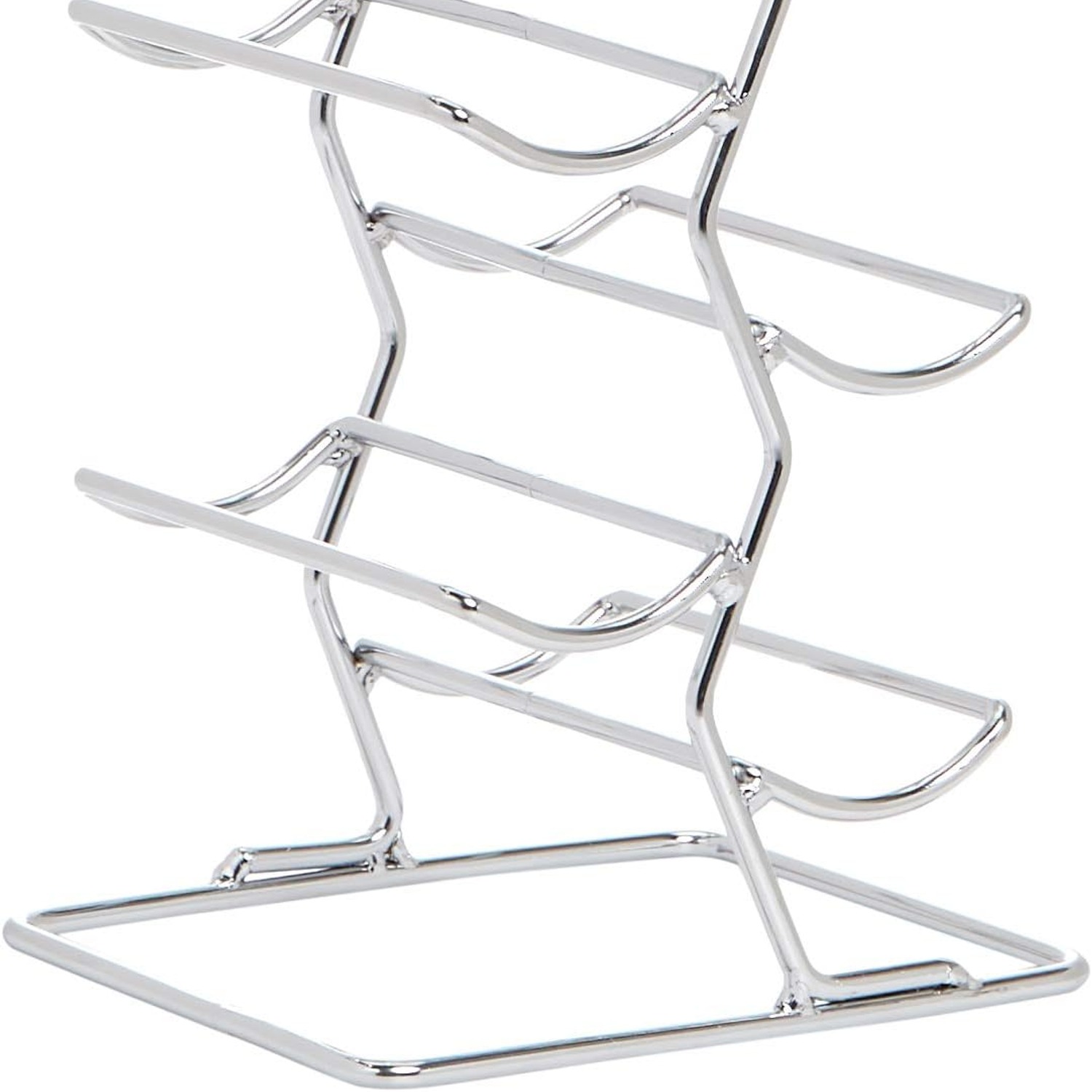
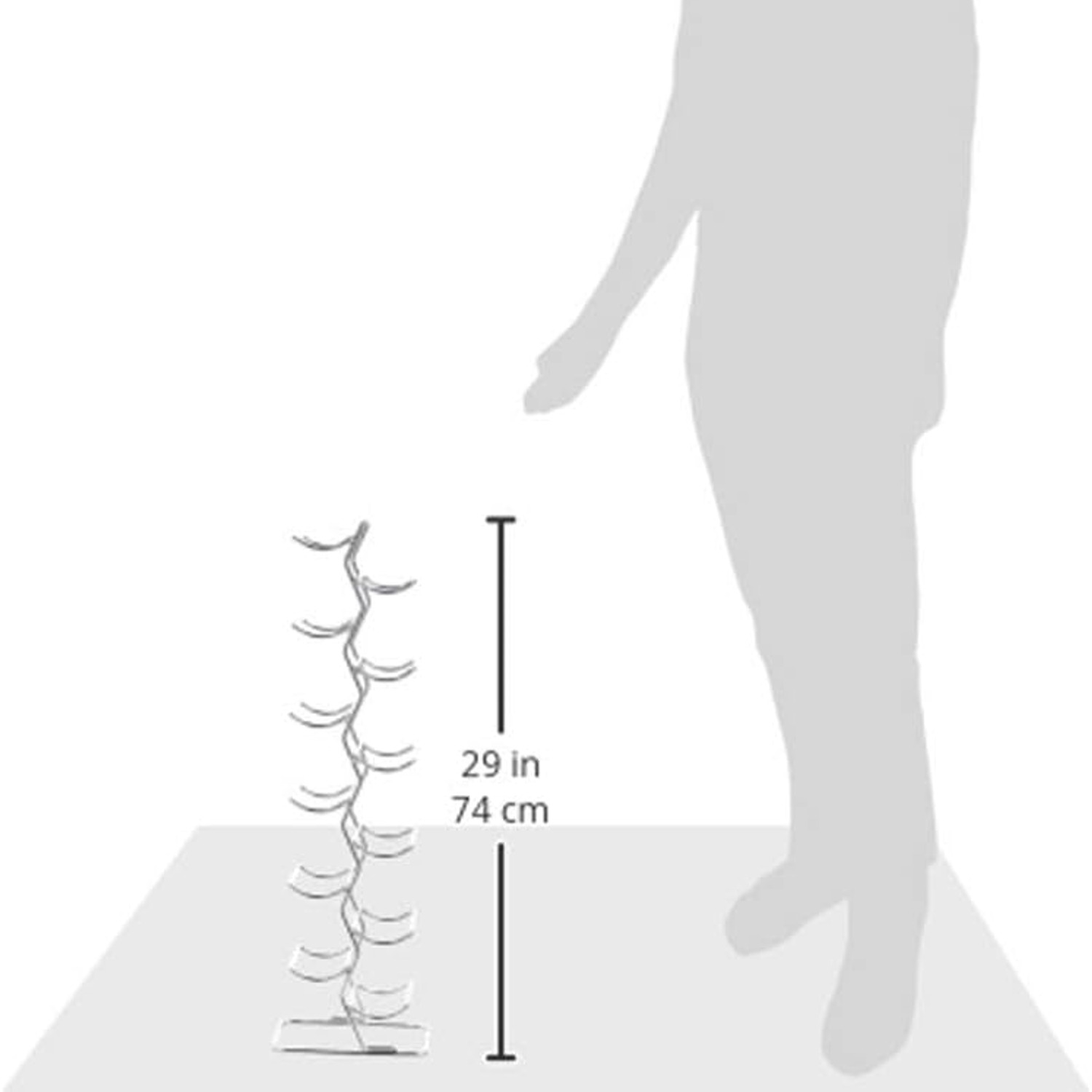
A freestanding wine rack solves this with very little fuss. It gives twelve bottles a fixed address, keeps them horizontal so the corks stay wet, and takes up a patch of floor roughly the size of a kitchen bin. This particular rack is 21 cm wide, 17 cm deep and 69.9 cm tall, which is the kind of slim shape that fits into gaps you were already ignoring.
How a floor-standing rack actually works
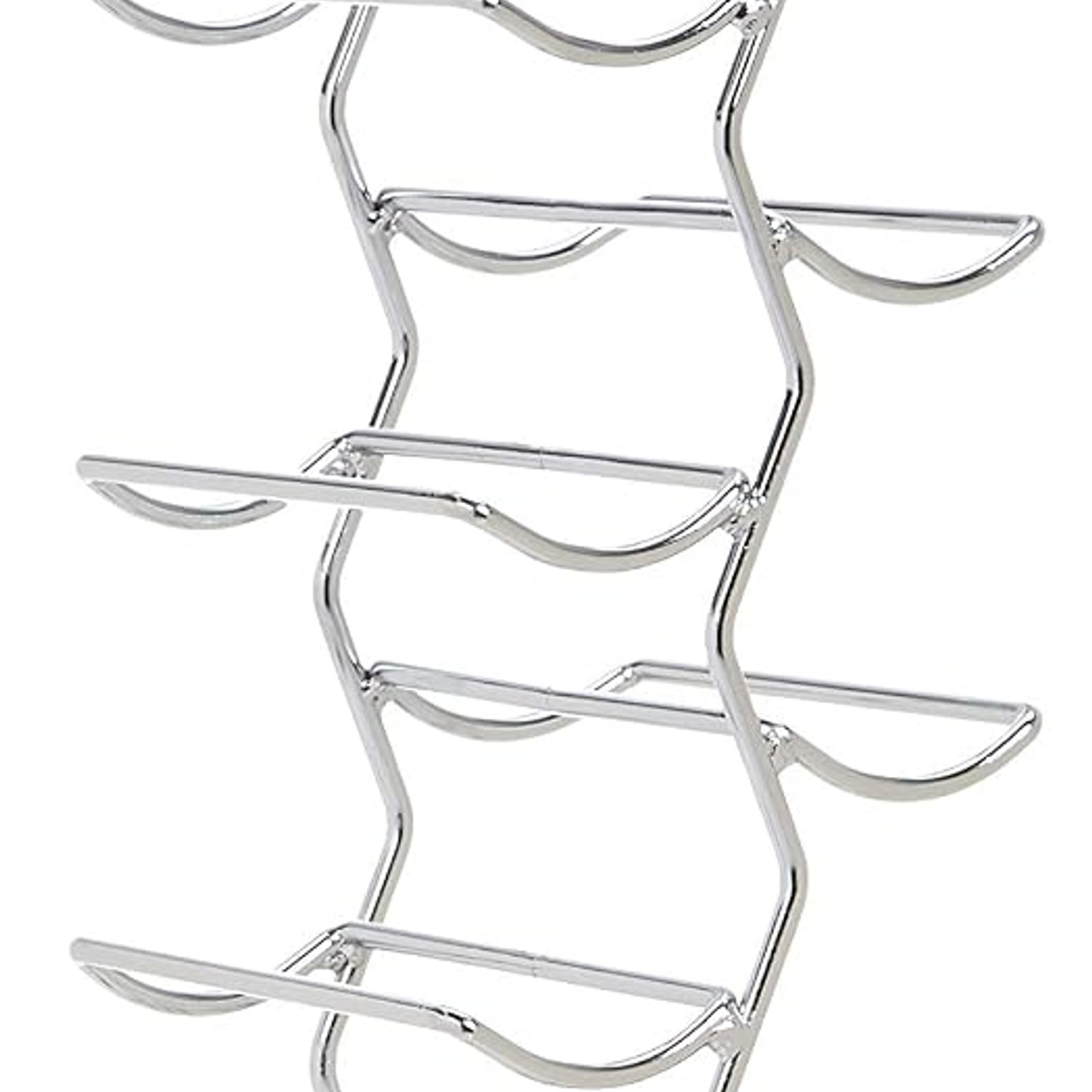
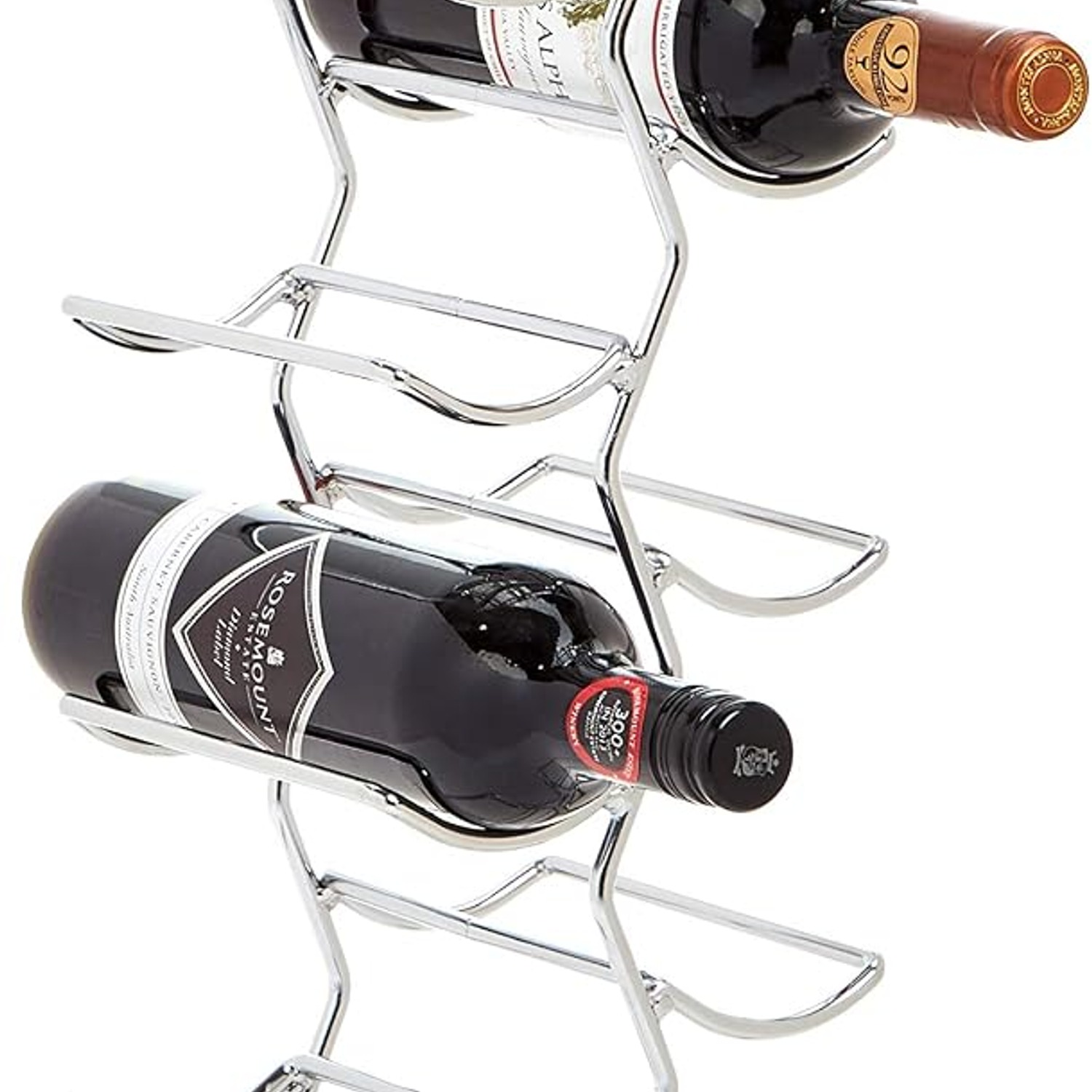
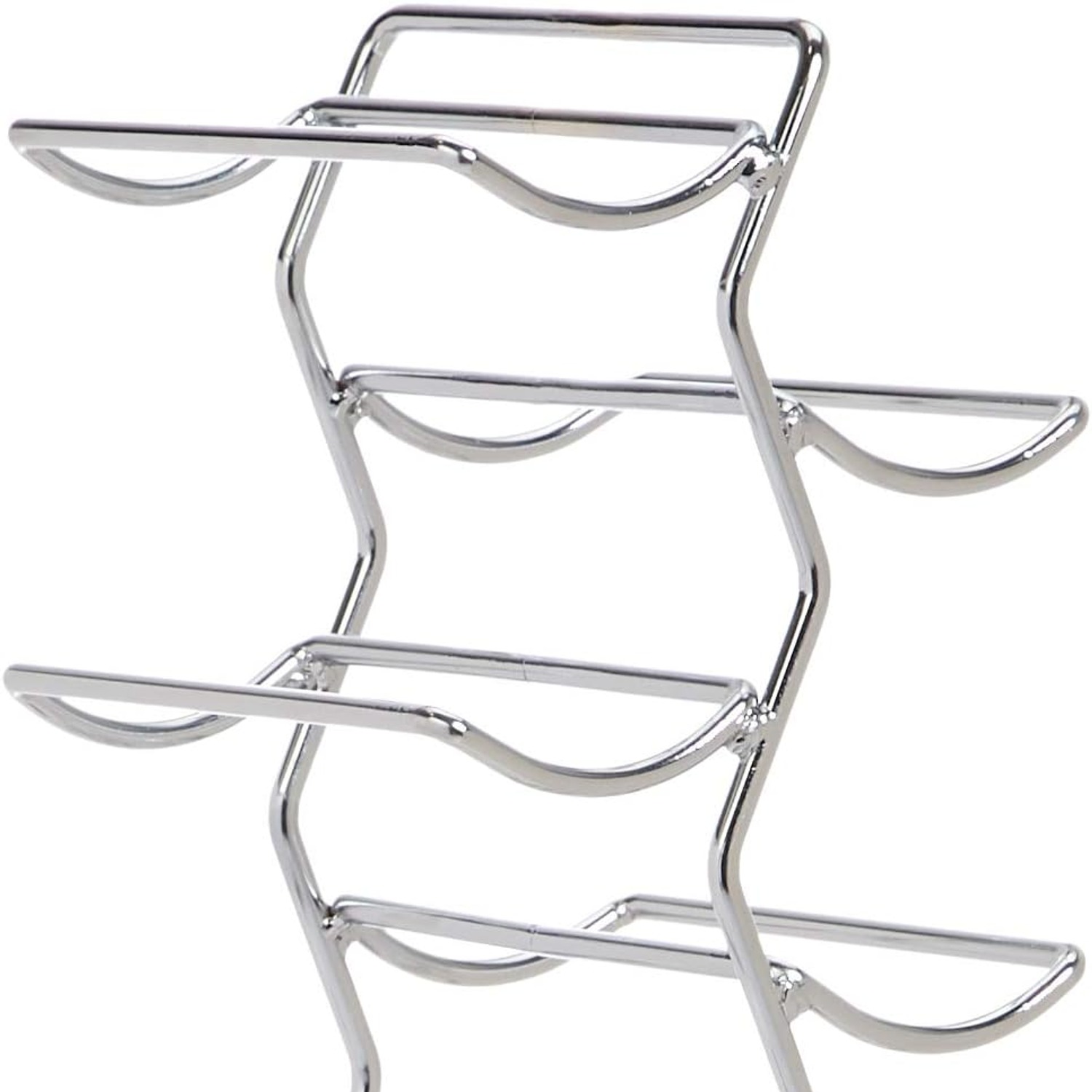
The design is simple on purpose. A vertical chrome frame holds a series of cradles up its height, and each cradle takes one bottle lying on its side. You slide bottles in neck first or base first depending on which way you want the labels facing, and the weight of the bottle keeps it seated.
Storing corked wine horizontally is not just for looks. When a bottle stands upright for months, the cork dries out and shrinks slightly. Air creeps past the seal, and the wine oxidises. Keeping the bottle on its side means the wine stays in contact with the cork, the cork stays swollen, and the seal holds. Screw cap bottles do not have this problem, but there is no harm in storing them the same way, and it is a far better use of space.
Because it is floor standing, there is no drilling, no wall anchors and no hunting for a stud. You place it, you load it, you are finished. The product details list required assembly as "No", so it comes as one piece rather than a flat pack. That alone makes it one of the best no assembly wine rack choices for anyone who has lost an evening to a bag of hex bolts.
Who this suits
Apartment dwellers get the most obvious benefit. When you have no cellar, no garage and limited cupboard space, a tall narrow tower is the only sensible shape. At 21 cm wide, this is one of the best wine rack for apartments formats, because it uses vertical space rather than floor space.
It also suits people who entertain at home but are not deep collectors. Twelve bottles is enough for a decent spread of reds, whites and a bottle or two of sparkling, with room to restock. If you are regularly holding thirty or forty bottles, you will want a larger cabinet or a second unit alongside.
Renters do well with it too. There is nothing to fix to a wall, so there is no patching when you move out, and the whole thing weighs 2.24 kg empty, which makes it an easy carry down to the car.
Finally, it works as a gift. Housewarmings, weddings and significant birthdays all call for something that is useful on day one, and a wine storage tower that needs no building ticks that box.
Measuring before you buy
This is the step most people skip and then regret. Get a tape measure out and check three things.
First, the width of the gap. You want at least 21 cm, and ideally a couple of centimetres more so the rack is not wedged in. Second, the depth. The rack is 17 cm deep, but bottles sit across the frame, so allow a little extra so nothing overhangs into a walkway. Third, the height clearance. The rack itself is 69.9 cm tall, but you also need room above it to lift a bottle in and out of the top cradle without hitting a shelf or a rangehood.
If you are slotting it into a pantry bay or a cupboard, check the shelf above as well as the floor space. A 70 cm bay with nothing above it is perfect. A 72 cm bay with a fixed shelf is going to make loading the top row awkward.
Picking the right spot
Wine does not like heat, light or vibration. The practical version of that rule is simple. Keep the rack away from the oven, the dishwasher, a heating vent and any window that gets strong afternoon sun. A cool hallway, a dining room corner, a pantry or the shaded side of a kitchen all work well.
Flooring matters a little. A level hard floor is ideal. Thick, soft carpet or rug pile can let one corner sink slightly, which is not dangerous but does look untidy once the rack is loaded. If your only option is carpet, a thin board under the base keeps everything sitting straight.
Think about traffic too. A loaded rack is around 20 kg all up, so it is not going to tip from a light brush, but a narrow tower in a busy doorway is still asking for trouble. Tuck it somewhere people walk past rather than through.
Living with chrome
Chrome has two big advantages as a finish. It is visually neutral, so it sits comfortably next to timber, white cabinetry, stainless appliances or stone, and it hides dust better than dark matte finishes. The trade-off is that it will show the occasional fingerprint and water spot.
Care is easy. Wipe it with a soft cloth dampened in warm water, then dry it straight away with a clean cloth. That is all the product care instruction asks for. Do not reach for scouring pads, abrasive creams or harsh chemical sprays, because those will dull or scratch the surface and you cannot bring that back.
Give the empty cradles a dust every few weeks. If you lift the bottles out rather than sliding them, you will also avoid scuffing. Once a year, pull the rack out, wipe behind it and check the floor underneath, which is the same thing you would do with any piece of furniture.
Loading it properly
Load from the bottom up. This keeps the centre of gravity low and the rack steadier while you work. Put the bottles you drink most often in the middle rows at easy reach, and save the top and bottom for the ones you open less.
Face the labels out if you like the display look. If you would rather have the vintage visible at a glance, turn them so the capsule and neck label show. There is no wrong answer, it is about how you find bottles quickest.
Try not to mix in oversized or large-format bottles. Magnums and some heavy champagne bottles are wider than standard 750 ml bottles, and forcing them in means fewer bottles overall and more chance of something sitting unevenly. Keep those elsewhere and let this rack do what it is built for.
The short version
If you have a dozen or so bottles with nowhere sensible to live, this does the job without taking over a room. It holds 12 bottles on their sides, stands 69.9 cm tall in a 21 x 17 cm footprint, weighs 2.24 kg empty, needs no assembly and wipes clean with a damp cloth. The chrome finish keeps it neutral enough for most kitchens and dining rooms.
Measure your gap first, keep it away from heat and sun, load from the bottom, and dry it after cleaning. Do that and a simple metal rack will quietly organise your wine for years.